
Hiranyagarbha Sukta (RV 10.121): कस्मै देवाय हविषा विधेम. It explores the nature of the primordial creator and asks, “To which god shall we offer our oblations?
Mandala 1, Hymn 164, Verse 46 (RV 1.164.46): एकं सत् विप्रा बहुधा वदन्ति. Truth is one; the wise call it by many names. The ultimate reality is singular, though described in various forms by different sages and traditions.
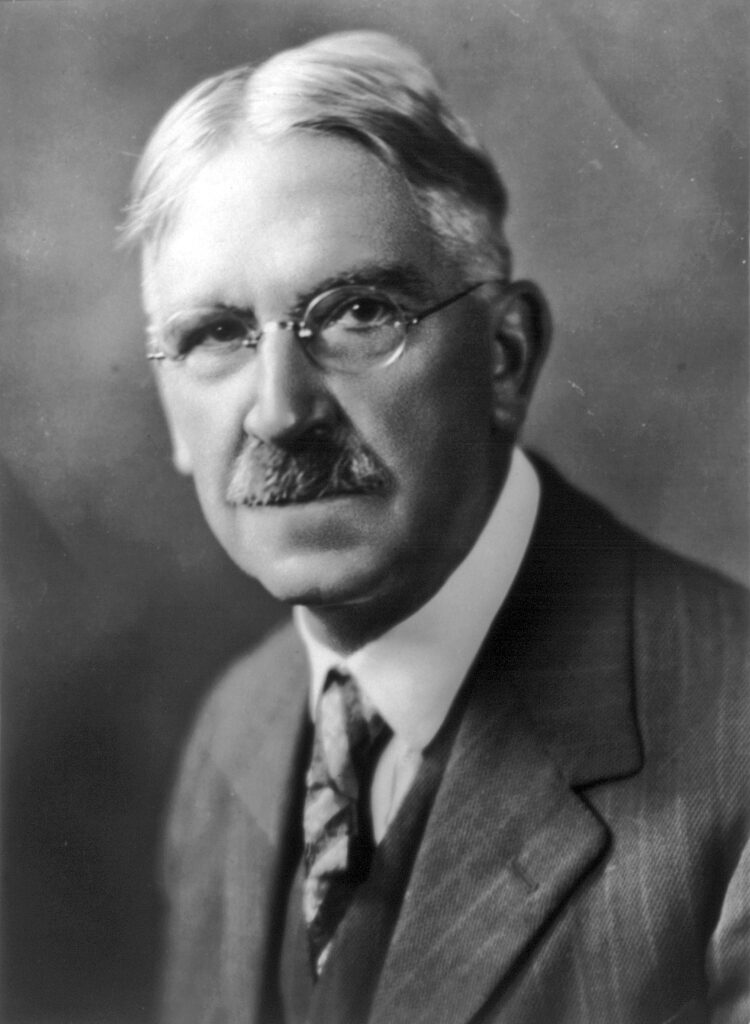
John Dewey जॉन डेवी (1859-1952):
He was an American philosopher, psychologist, and educational reformer.
“Education is not preparation for life, Education is life itself.”
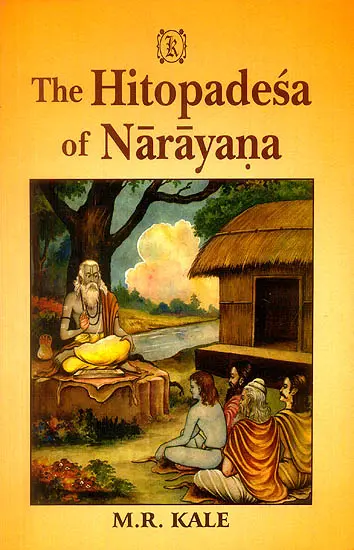
Narayan Pandit (9th-10th CE):
He was the Brāhmaṇa author of the Sanskrit treatise called the Hitopadesha (हितोपदेश). The famous shloka is…
“विद्या ददाति विनयं, विनयाद् याति पात्रताम्।
पात्रत्वात् धनमाप्नोति, धनात् धर्मं ततः सुखम्॥”
Knowledge imparts humility, humility brings worthiness; Worthiness leads to the acquisition of wealth, when wealth is used rightly, it results in righteousness or duty, and righteousness brings happiness
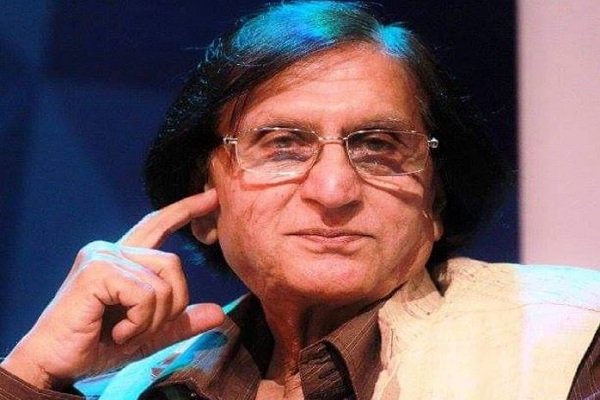
Wasim Barelvi वसीम बरेलवी (1940-till date):
He is an Indian Urdu-language poet, born in Bareilly, Uttar Pradesh.
“सलीका ही नहीं, शायद उसे महसूस करने का
जो कहता है ख़ुदा है, तो नज़र आना ज़रूरी है”
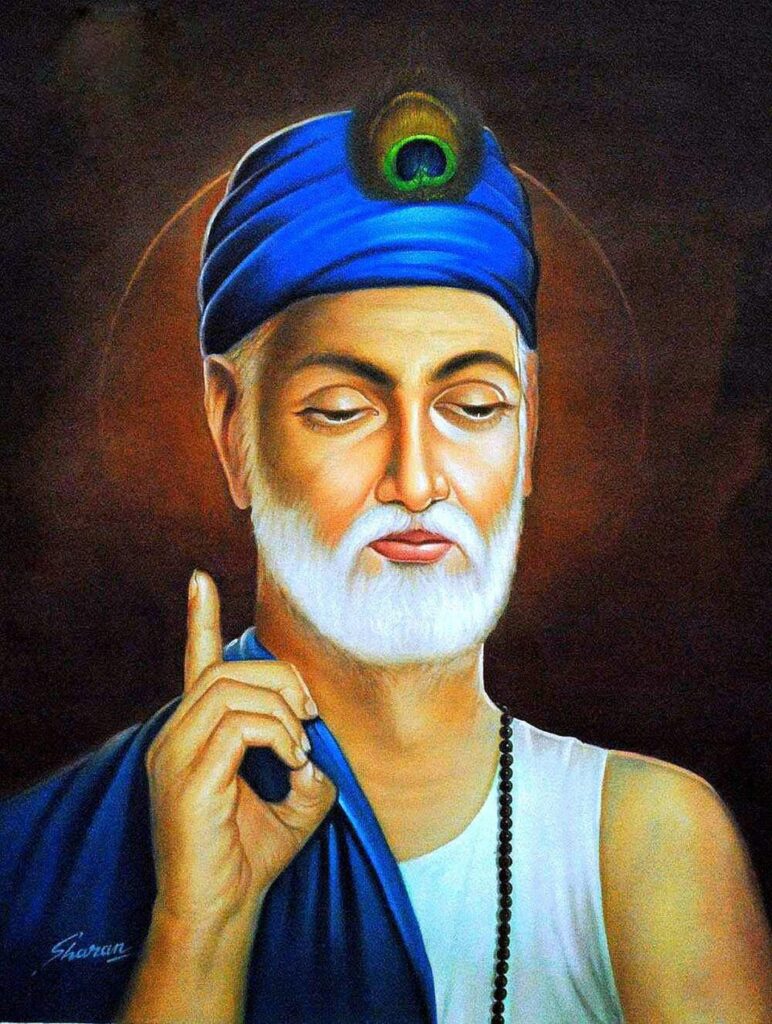
Sant Kabir Das (13th-14th CE):
He was a well-known Indian devotional mystic poet and sant, born in Varanasi, Uttar Pradesh
“रहिमन बात अगम्य की कहन सुनन की नाहिं।
जानत है सो कहत नहिं कहत सो जानत नाहिं।।”
Ultimate truth is beyond words and hearing; those who realize it remain silent, and those who talk about it do not understand it
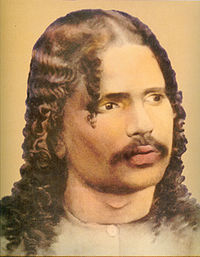
Bharatendu Harishchandra भारतेंदु हरिश्चंद्र (1850-1885):
He was an Indian poet, writer, and playwright, born in Banaras (Varanasi). The verse from “भारत दुर्दशा” highlights social issues of his time.
“मदवा पीले पागल जोबन बीत्यो जात। बिनु मद जगत सार कछु नाहीं मान हमारी बात॥
पी प्याला छक-छक आनंद से नितहि सांझ और प्रात। झूमत चल डगमगी चाल से मारि लाज को लात॥
हाथी मच्छड़, सूरज जुगूनू जाके पिए लखात। ऐसी सिद्धि छोड़ि मन मूरख काहे ठोकर खात॥”
An action done from duty has its moral worth, not in the purpose to be attained by it, but in the maxim in accordance with which it is decided upon; it depends, therefore, not on the realization of the object of the action, but solely on the principle of volition in accordance with which, irrespective of all objects of the faculty of desire, the action has been performed.
An action is truly moral only if you do it out of duty, not because of what you want to get from it.
जो खानदानी रईस हैं वो मिज़ाज रखते हैं नर्म अपना,
तुम्हारा लहजा बता रहा है, तुम्हारी दौलत नई-नई है।
ज़रा सा क़ुदरत ने क्या नवाज़ा के आके बैठे हो पहली सफ़ में
अभी से उड़ने लगे हवा में अभी तो शोहरत नई नई है।