
Overview
Indian Knowledge System (IKS) refers to the vast body of traditional knowledge, practices, and wisdom developed and preserved over thousands of years within the Indian subcontinent.
- This heritage encompasses a wide range of disciplines, including philosophy, science, mathematics, medicine, arts, architecture, linguistics, governance, ethics, and literature, reflecting a holistic and value-based approach to life.
- A distinctive feature of IKS is its emphasis on sustainability, self-reliance, and harmony with both nature and society.
Understanding Knowledge Systems: A Comparative Framework:
To fully appreciate the uniqueness and significance of the Indigenous Knowledge System, it is essential to understand how different knowledge systems operate and complement each other.
- Knowledge systems can be broadly categorized into three major types:
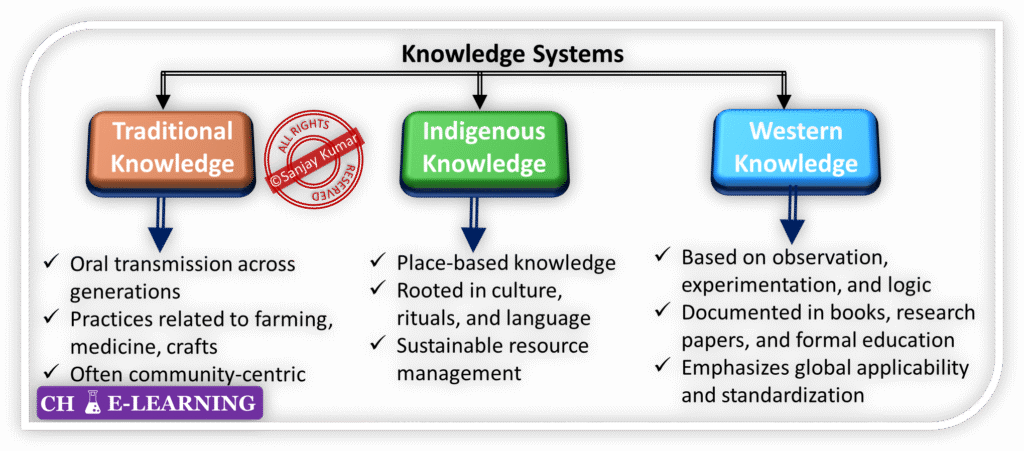
Traditional Knowledge Systems:
Traditional knowledge refers to ancient cultural wisdom and knowledge systems transmitted across generations through oral traditions. This knowledge is characterized by:
- Holistic Integration: Views all aspects of life as interconnected, treating knowledge as part of a unified whole rather than isolated components.
- Example: Ayurveda in India integrates health, environment, and spirituality rather than treating disease in isolation.
- Oral Transmission: Knowledge is primarily passed down through stories, songs, folklore, proverbs, and cultural practices, creating “living libraries” of wisdom.
- These oral traditions serve as both repositories and transmission mechanisms for accumulated knowledge.
- Experiential Foundation: Derived from direct observation, experience, and integration with daily life, making it inherently practical and contextual.
- For instance, predicting rainfall patterns based on cloud shapes or animal behavior.
- Adaptive Nature: Evolved over millennia while maintaining core principles, showing resilience to environmental and social changes.
- This adaptability allows traditional knowledge to remain relevant across changing circumstances.
- Collective Ownership: Knowledge belongs to the community and is shared for collective benefit rather than individual gain.
- This communal approach to knowledge ensures its preservation and continued relevance to community needs.
Indigenous Knowledge Systems:
Indigenous knowledge represents a subset of traditional knowledge that is specific to indigenous peoples of particular geographic regions or ethnic groups. Key characteristics include:
- Place-Based Specificity: Extensive knowledge about regional ecosystems, species, and climate conditions, creating situated knowledge adapted to local environments.
- This place-based nature makes such knowledge highly relevant for local environmental management.
- Community-Centric Approach: Knowledge is grounded in community practices with decision-making processes often including multiple generations.
- This multigenerational approach ensures knowledge continuity and relevance.
- Spiritual Integration: Deeply intertwined with spirituality and cosmology, emphasizing the interconnectedness of all living beings.
- This spiritual dimension provides ethical frameworks for environmental interaction.
- Cultural Transmission: Preserved through folk songs, symbols, rituals, ceremonies, and cultural expressions that serve as formal knowledge transfer occasions.
- These cultural practices ensure knowledge remains embedded within community life.
- Environmental Stewardship: Strong emphasis on sustainability and harmonious relationships with nature, often incorporating sophisticated conservation practices.
- This stewardship approach has contributed to biodiversity conservation across many regions.
- For example, shifting cultivation in Northeast India is managed with rituals to allow forests to regenerate.
Western Knowledge Systems:
Western knowledge systems emerged primarily from European and North American traditions, and are characterized by:
- Empirical Foundation: These systems rely heavily on empirical evidence, written records, and systematic explanations based on sensory experience and measurable data.
- This empirical approach prioritizes observable and quantifiable phenomena.
- Analytical Methodology: Western science favors reductionist methods that simplify complex systems into individual components for detailed study.
- This analytical approach enables precise examination of specific variables and relationships.
- Objective Orientation: These systems emphasize objectivity and quantitative approaches over subjective and qualitative understanding.
- This objective stance aims to minimize bias and ensure reproducible results.
- Institutional Structure: Knowledge is delivered through structured, syllabus-driven, and institutionalized formats with formal academic credentials.
- This institutional framework provides standardized knowledge transmission and validation.
- Human-Nature Separation: Western knowledge systems often view humans as external observers or manipulators of the environment rather than integral parts of it.
- This separation has been critiqued for limiting understanding of human-environment interactions.
Comparative Analysis of Knowledge Systems:
| Aspect | Traditional Knowledge | Indigenous Knowledge | Western Knowledge |
| Knowledge Validation | Community consensus and generational testing | Spiritual and experiential validation | Peer review and empirical verification |
| Learning Context | Integrated into daily life and cultural practices | Embedded in cultural identity and place | Separated into academic disciplines |
| Problem-Solving Approach | Holistic, cyclical, multidimensional | Context-specific, community-based | Linear, analytical, universal application |
| Relationship with Nature | Humans are an integral part of the ecosystem | Sacred relationship emphasizing stewardship | Humans as external observers |
| Knowledge Evolution | Adaptive through cultural practice | Responsive to local environmental changes | Humans are an integral part of the ecosystem |
This comparative framework demonstrates that each knowledge system offers unique strengths and perspectives. Rather than viewing them as competing paradigms, contemporary scholarship increasingly recognizes the value of integrating multiple ways of knowing to address complex global challenges.
Components of IKS
Indian:
Refers to the indigenous sources of knowledge generated by Indian society
- Geographically: Includes the undivided Indian subcontinent.
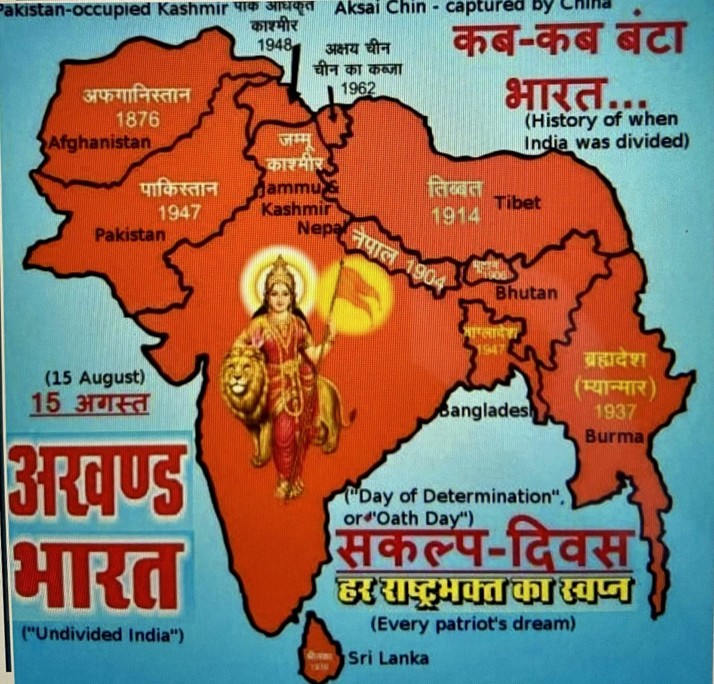
- Demographically: Includes those born in, or having lived for a substantial period in the region, fully integrating with its native culture and practices.
Knowledge:
Originates from wisdom and insights gained through deep experiences, keen observation, experimentation, and logical analysis. It is validated, refined, and augmented across generations.
Preserved in two forms:
- Formal Repositories – Literary sources such as manuscripts, scriptures, treatises, and documented records.

- Informal Traditions – Orally transmitted practices, community skills, folk wisdom, and regional customs.

Covers three major domains:
- Spiritual – Concerning inner development and consciousness.
- Religious – Relating to rituals, traditions, and faith-based practices.
- Secular/Social – Addressing day-to-day living, governance, arts, and societal issues.
Key Areas Covered in IKS
Philosophy and Metaphysics:
- Schools of Indian philosophy: Vedanta (वेदान्तः), Upanishads (उपनिषदाः), Samkhya (सांख्यः), Nyaya (न्यायः), Vaisheshika (वैशेषिकः), Yoga, Mimamsa (मीमांसा – systematic study and interpretation of the Vedas), and Buddhist philosophy.

- Exploration of consciousness, self, reality, and ethics.
- Emphasis on Dharma, harmony, and the purpose of human life.
Science and Mathematics: India’s traditional knowledge has contributed foundational concepts to world science.
- Vedic Mathematics: Techniques for mental calculations, combinatorics (focused on counting, arrangement, and combinations of objects within a set), and algebraic methods.
- Invention of zero and the decimal system by Aryabhata (आर्यभट्ट 476 CE – 550 CE) and Brahmagupta (ब्रह्मगुप्त 598 CE – 668 CE).

- Astronomy: Works such as Surya Siddhanta, Aryabhatiya, and Siddhantas for planetary motion and eclipse prediction.
- Metallurgy: Advanced techniques in smelting, alloy preparation, and corrosion resistance (e.g., Delhi Iron Pillar). The Delhi Iron Pillar remains rust-free for over 1,600 years, demonstrating advanced material science.

Medicine and Healthcare:
- Ayurveda: Charaka Samhita (चरका संहिता—comprehensive text on ancient Indian medicine), Sushruta Samhita (सुश्रुत संहिता—describes surgical training, instruments, and procedures).
- Siddha Medicine: Herbal formulations, mineral-based therapies.
- Holistic health practices integrating body, mind, and spirit (including Yoga and naturopathy).
Architecture and Town Planning:
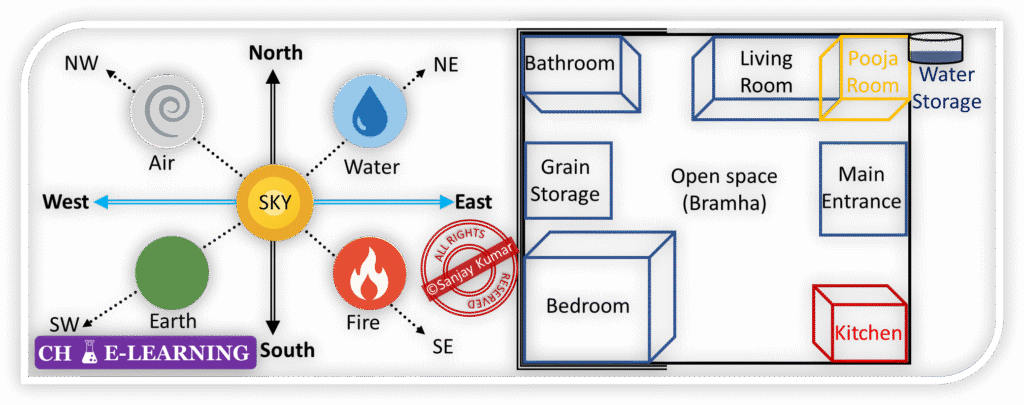
- Vastu Shastra: Principles of design harmonizing structures with nature. Sustainable designs for climate adaptability and energy efficiency.
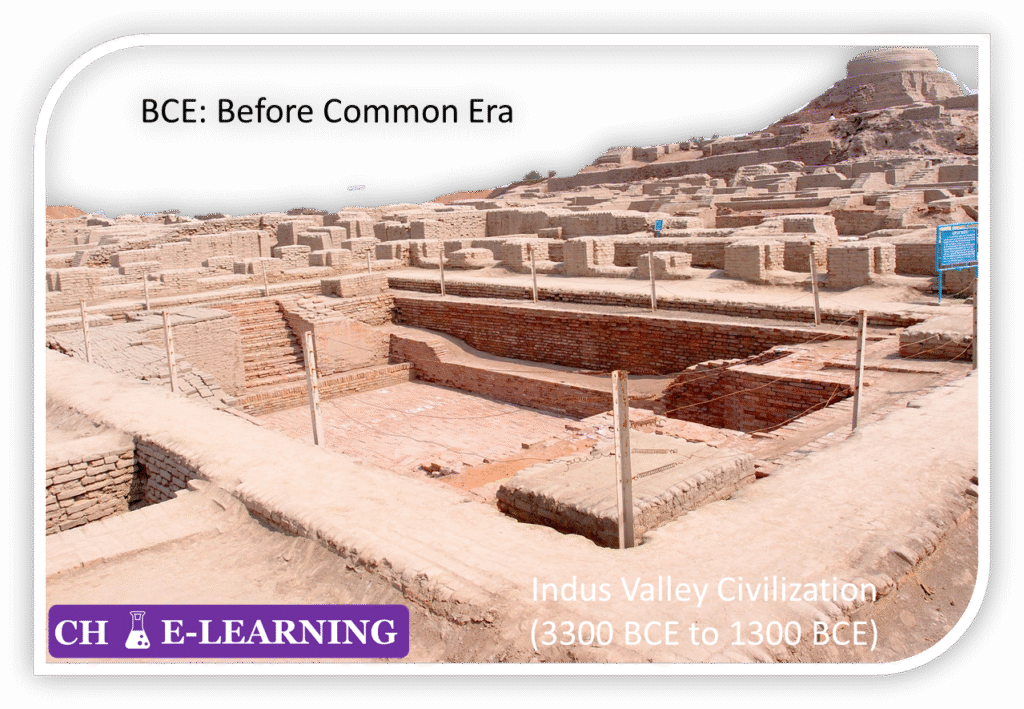
- Indus Valley Civilization (Harappan architecture): Urban planning, drainage systems, public baths.
- Sustainable building practices for climate adaptability and resource efficiency.
Linguistics and Literature:
- Sanskrit Grammar: Panini’s Ashtadhyayi — a foundational text in linguistic science.
- Development of Prakrit, Pali, Tamil, and other classical languages.
- Oral and written literary traditions — Vedas, Puranas, epics, and classical poetry.
Governance and Ethics:
- Arthashastra: Principles of statecraft, economics, and military strategy by Kautilya (Chanakya).
- Manusmriti: Ethical and legal frameworks in ancient Indian society.
- Emphasis on Dharma as a guiding principle for governance and law.
Arts and Aesthetics:
- Natya Shastra: Classical dance, drama, and music theory.
- Temple sculpture, painting, and iconography.
- Integration of art with spiritual and cultural expression.
Environmental Sustainability:
- Traditional water harvesting (stepwells, tanks, canals), water conservation.
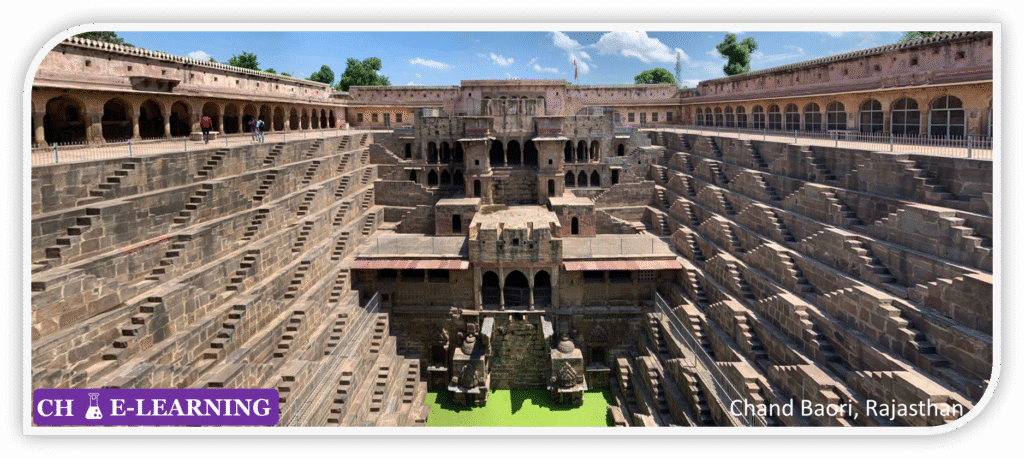
- Organic agriculture, crop rotation, and biodiversity preservation.
- Sacred groves (small or large forest patches considered sacred by local communities) and eco-cultural practices (environment-friendly practices rooted in local culture).
Education Systems and Pedagogy:
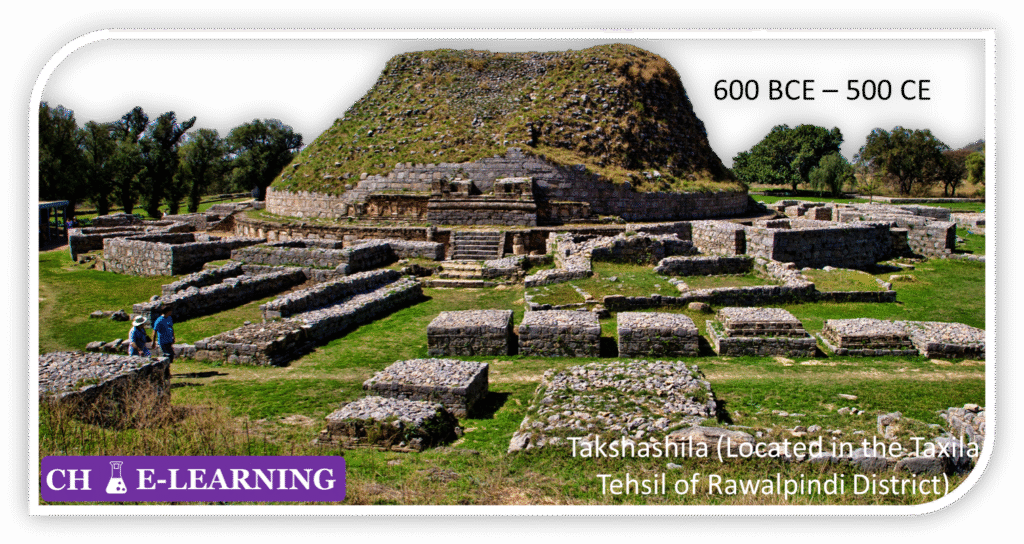
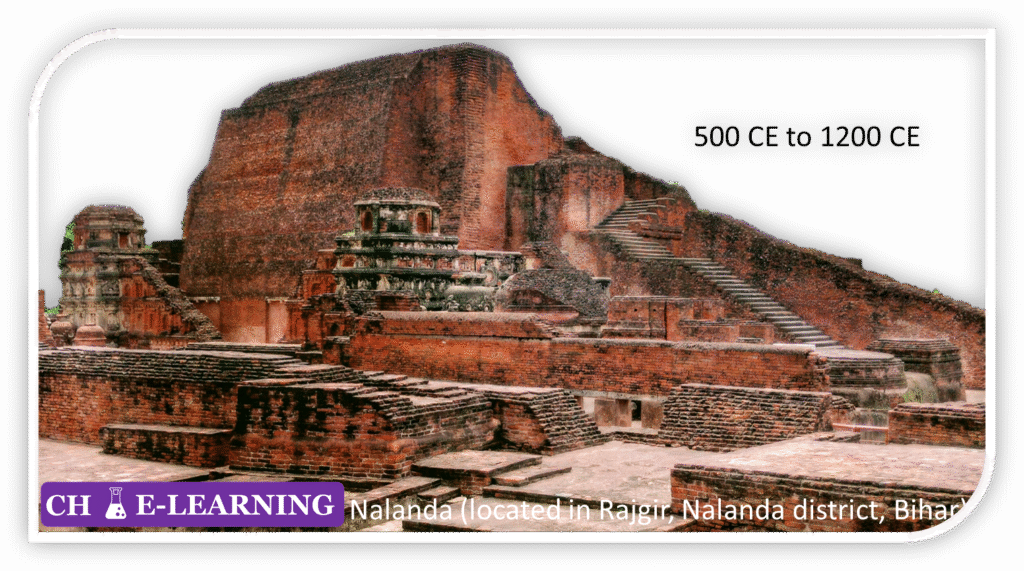
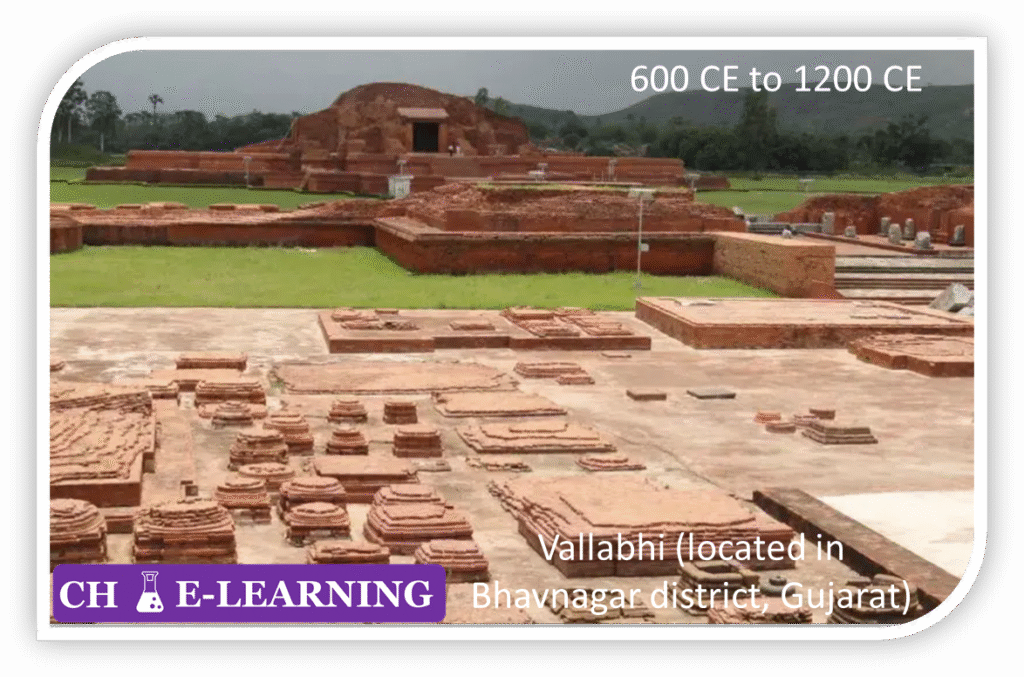
- Gurukul System: Experiential and value-based education. Ancient universities like Takshashila, Nalanda, and Vallabhi.
- Oral and written transmission techniques.
- Memorization techniques (Padapatha, Krama) and early manuscripts.
Key Features of IKS
Some of the key features of IKS are as follows:
Holistic Approach: Integrates both material and spiritual dimensions of knowledge, ensuring that human development addresses physical needs, ethical values, and inner well-being.
Interdisciplinary Nature: It seamlessly blends diverse fields such as science, philosophy, ethics, and the arts.
- Vedic Mathematics: Combines combinatorics (mathematics focused on counting, arrangement, and combinations of objects within a set), poetic meters (rhythmic structure of a line of poetry), and computational logic for efficient problem-solving.
- Ayurveda: Integrates medical science with spirituality.
Sustainability-Oriented: Traditional Indian knowledge emphasis on harmony with nature and sustainable practices.
- Agriculture: Crop rotation, organic composting, and efficient water management were standard practices.
- Architecture: Designs such as stepwells and temple orientations for passive cooling and energy efficiency.
Experiential Learning: Learning based on direct experience, observation, and practice, fostering deep understanding.
- Gurukul system: Learning by observation, practice and personal guidance.
- In Ayurveda, students studied medicinal plants through hands-on interaction with nature.
Community-Based Transmission: Knowledge was traditionally passed through oral traditions and the guru–disciple relationship.
- Oral Traditions: Ancient texts were memorized using techniques like Padapatha (पदपथ -word-by-word recitation) and Krama (sequential recitation).
- Written Traditions: Palm-leaf manuscripts and inscriptions appeared later, but oral education remained essential for mastery.
Blending of Science and Spirituality: It connects scientific understanding with spiritual principles.
- Ayurveda: Health as a balance of body, mind, and spirit.
- Jyotisha (ज्योतिष-Vedic astrology): Relates celestial movements to human life, comparable to modern circadian rhythm studies.
Significance in the Contemporary Knowledge System
Promotes Sustainable Development: Aligns human activities with ecological balance through environmentally friendly methods and minimal resource wastage.
Supports Innovation: Encourages adaptation of time-tested indigenous practices for modern applications.
Integrates Ethics with Skills: Provides value-based education combining moral, social, and technical dimensions.
Strengthens Interdisciplinary Learning: Bridges knowledge from science, engineering, social sciences, and humanities.
Preserves Cultural Heritage: Maintains continuity of traditional wisdom while making it relevant for contemporary needs.