
Stratification
Stratification refers to the vertical distribution of species at different levels or layers within an ecosystem.
- This spatial arrangement minimizes competition among species by enabling them to occupy specific niches and utilize available resources efficiently.
- For example, in a forest ecosystem, stratification is primarily influenced by factors such as light, temperature, and oxygen availability:
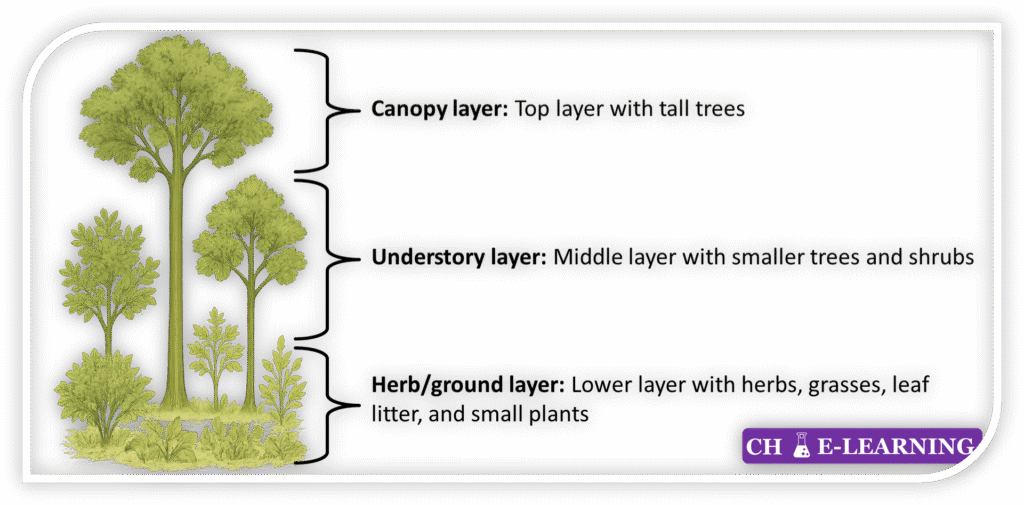
- Canopy (top layer): Dominated by tall trees that receive maximum sunlight.
- Understory (middle layer): Composed of smaller trees and shrubs that thrive under the canopy.
- Ground layer (bottom): Occupied by herbs, grasses, mosses, and seedlings.
Stratification contributes significantly to ecosystem stability and biodiversity. The different layers (strata) provide distinct habitats that support a wide variety of species. For instance, certain bird species may nest exclusively in the canopy, while many insects inhabit the forest floor.
Functions of Ecosystem
The main functions of an ecosystem are as follows:
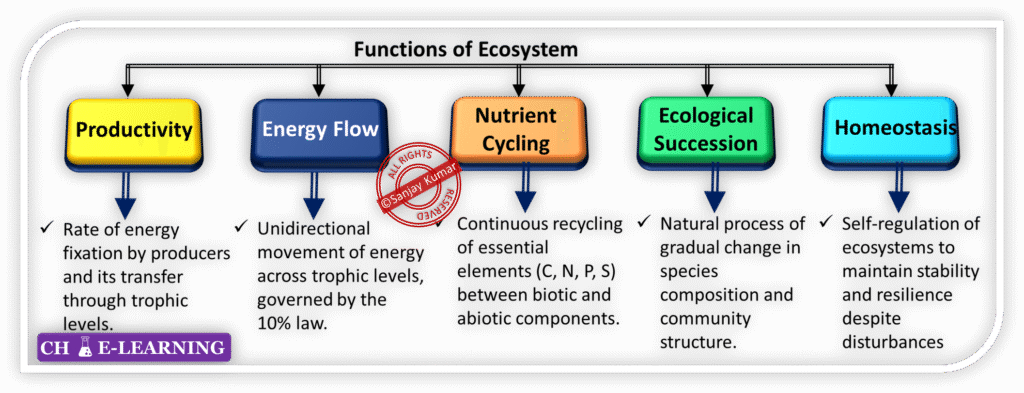
Productivity:
Productivity refers to the rate at which energy is captured and converted into biomass in an ecosystem.
- Primary Productivity: The rate at which producers (plants and algae) fix solar energy into chemical energy through photosynthesis. It is further divided into:
- Gross Primary Productivity (GPP): Total energy captured.
- Net Primary Productivity (NPP): Energy remaining after plant respiration, available to consumers.
- Secondary Productivity: The rate at which consumers (herbivores, carnivores, decomposers) convert the energy stored in food into their own biomass.
Productivity is a key measure of ecosystem efficiency and determines the amount of energy available to higher trophic levels.
Energy Flow:
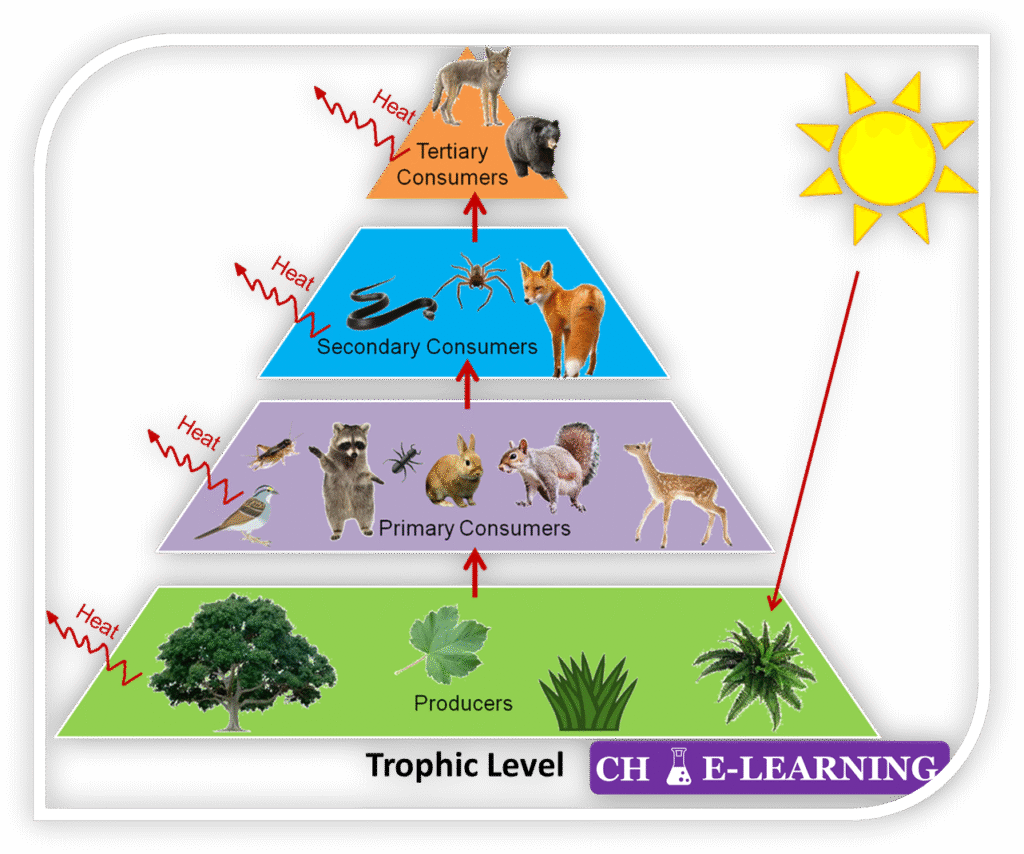
Energy flow occurs across trophic levels within an ecosystem. A trophic level refers to the position of an organism occupies in a food chain.
- Producers (plants): Capture solar energy through photosynthesis and convert it into chemical energy stored in food. This chemical energy serves as the main energy source for all living organisms in the ecosystem.
- Consumers: Obtain energy by feeding on producers or other organisms.
- Energy transfer proceeds from one trophic level to the next along the food chain.
The 10% Law of Energy Transfer:
- Only about 10% of the energy at one trophic level is transferred to the next; the remaining 90% is lost as heat to the environment due to metabolic processes.
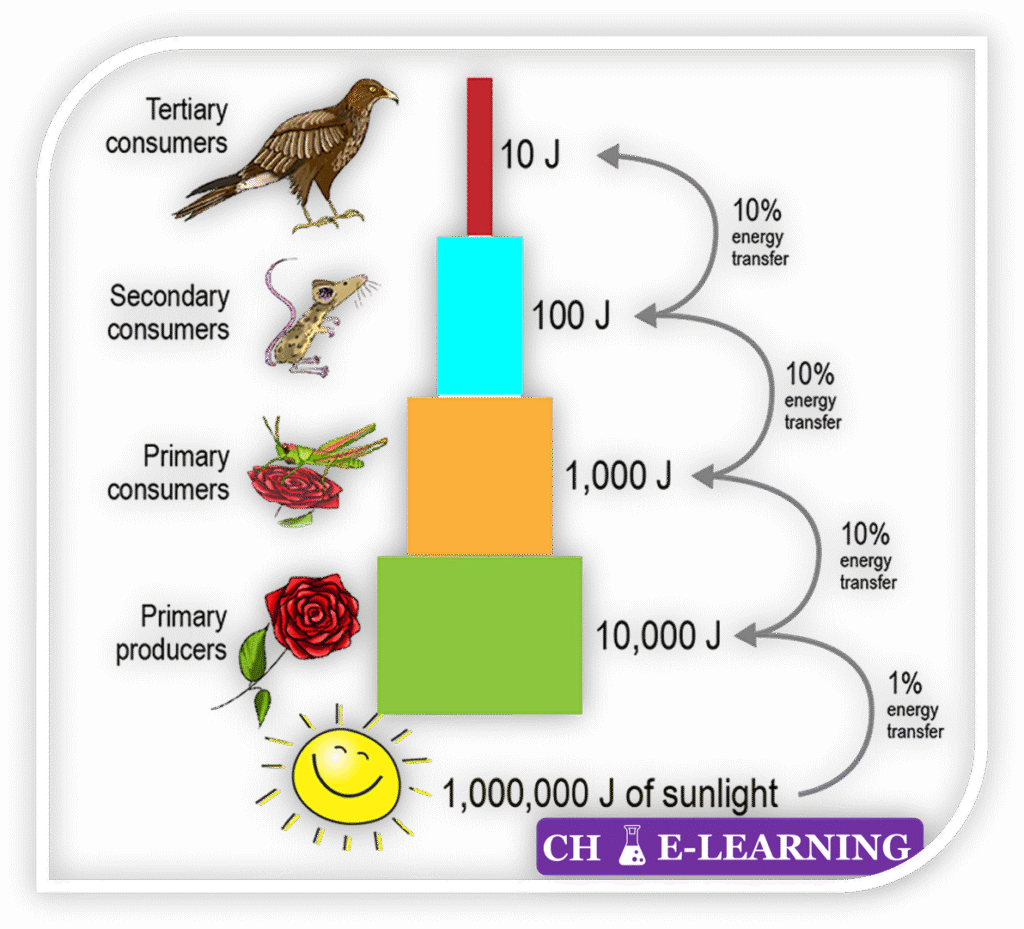
- This unidirectional flow of energy explains the limited number of trophic levels in most ecosystems and the decreasing size of energy pyramids at higher levels.
Nutrient Cycling:
Nutrient cycling refers to the continuous movement and recycling of essential chemicals elements such as carbon, nitrogen, phosphorus, sulfur and others within an ecosystem.
- Nutrients circulate between the biotic and abiotic components through natural processes.
- These cycles are vital for maintaining soil fertility, plant growth, and preserving overall ecosystem balance.
Ecological Succession:
Ecological succession is the natural process of change in species composition and community structure over time.
- This process may occur over decades or extend to millions of years, leading to the gradual development of stable ecosystem.
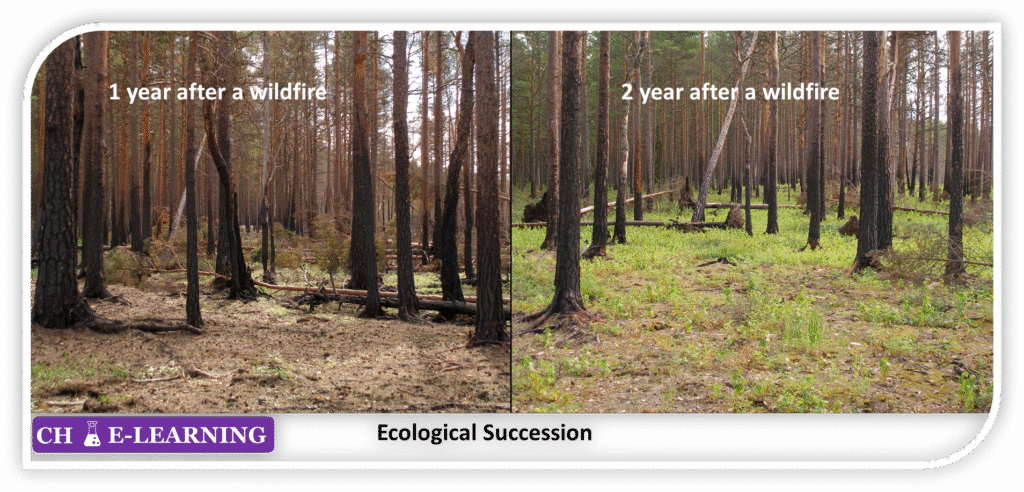
- So, it is a long-term, directional change leading to a new stable community.
Homeostasis (Ecosystem Regulation):
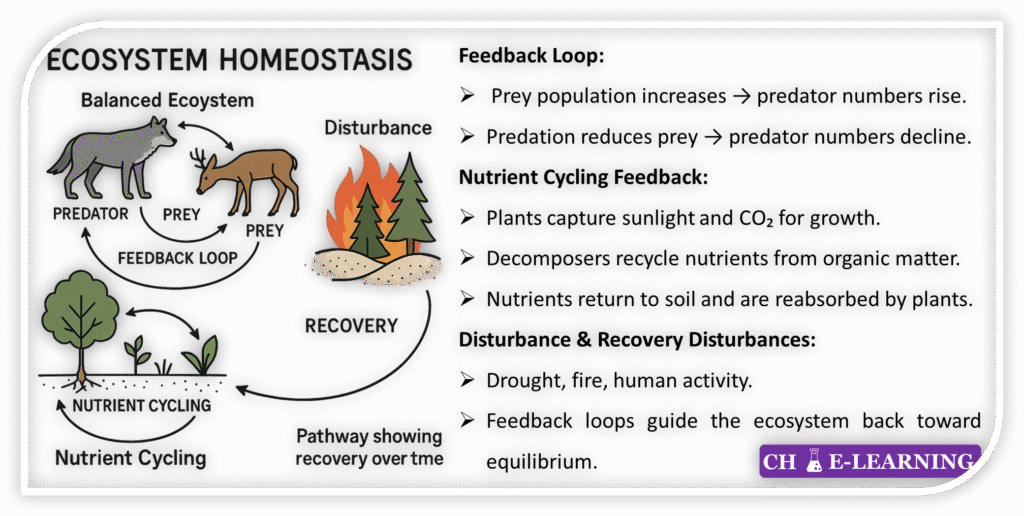
Homeostasis in ecosystems is the ability of ecological communities to maintain balance or dynamic equilibrium even when facing external disturbances, such as environmental changes or human activities.
Natural Feedback Mechanisms
- Predator-prey dynamics help control population sizes, preventing both overpopulation and extinction.
- Nutrient recycling ensures that essential resources are reused efficiently, supporting organismal health and ecosystem function.
Ecosystem Stability and Resilience
- These feedback systems create self-regulation, making ecosystems stable and resilient, able to recover from disturbances such as droughts, fires, or human impacts.
- Recovery and adjustment after such disturbances exemplify ecosystem homeostasis and adaptive capacity.
So, homeostasis is short-term or mid-term, self-regulation to maintain balance within an existing community.
Food Chain
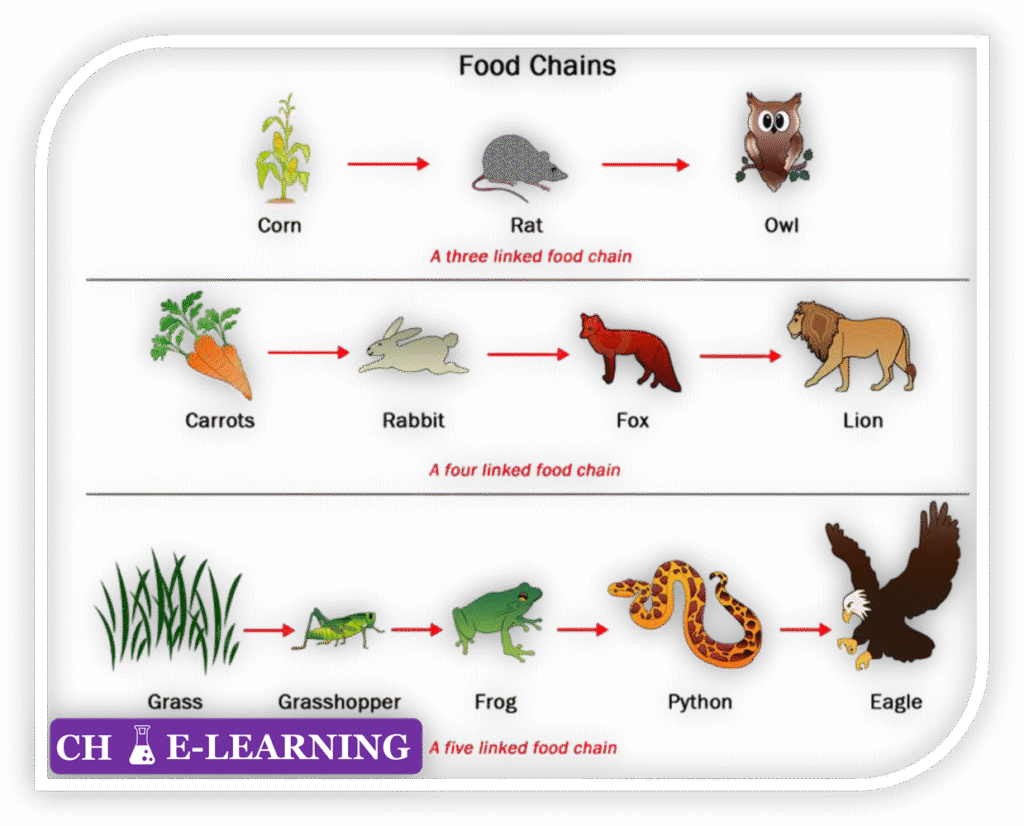
A food chain is a sequence of eating and being eaten. In other words, the sequence of transfers of matter and energy in the form of food from organism to organism.
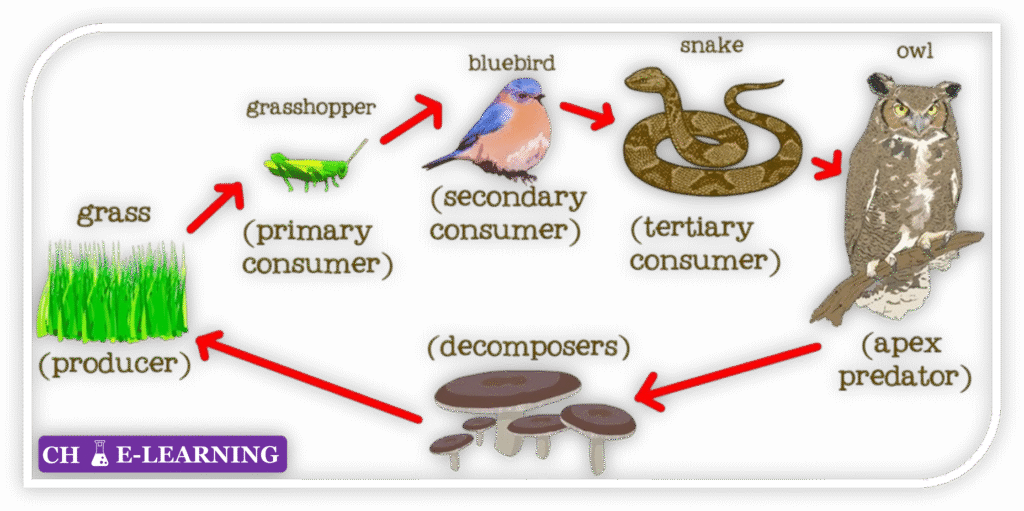
- Energy and nutrients move in a definite pattern along the food chain.
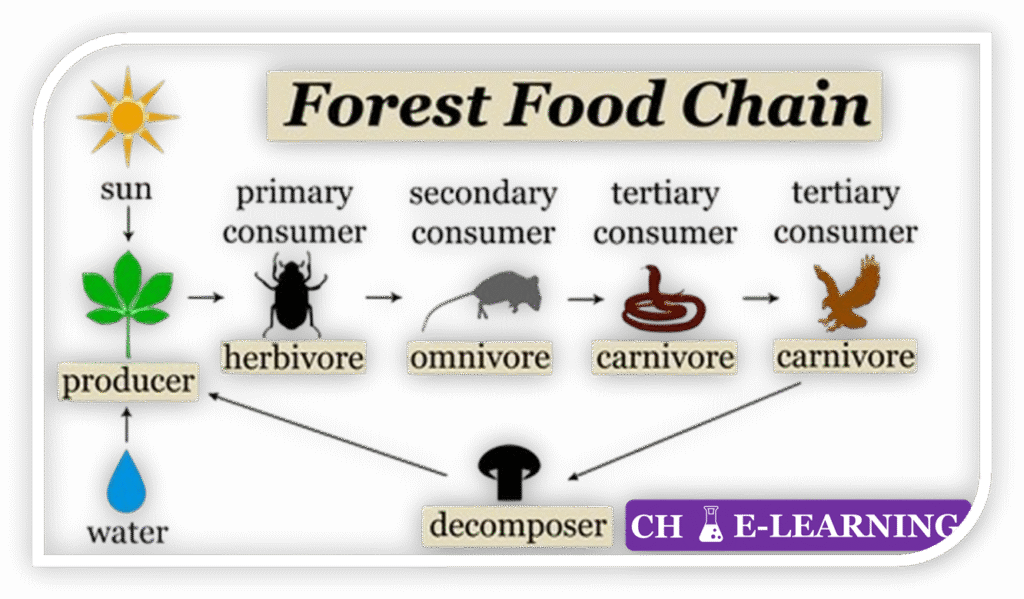
- Each level in the food chain is called trophic level.
Food Web
A food web is a network of interconnected food chains within an ecosystem.
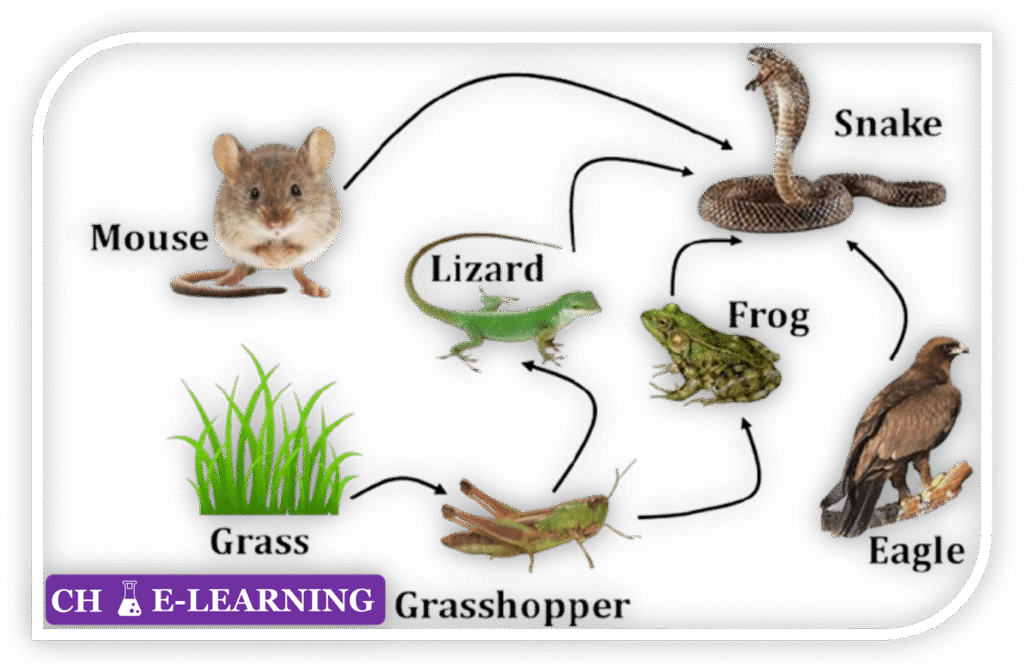
- Organisms often have multiple feeding relationships, providing several options for eating and being eaten at each trophic level.
- This interdependence enhances ecosystem resilience and stability.
Biological Manifestation
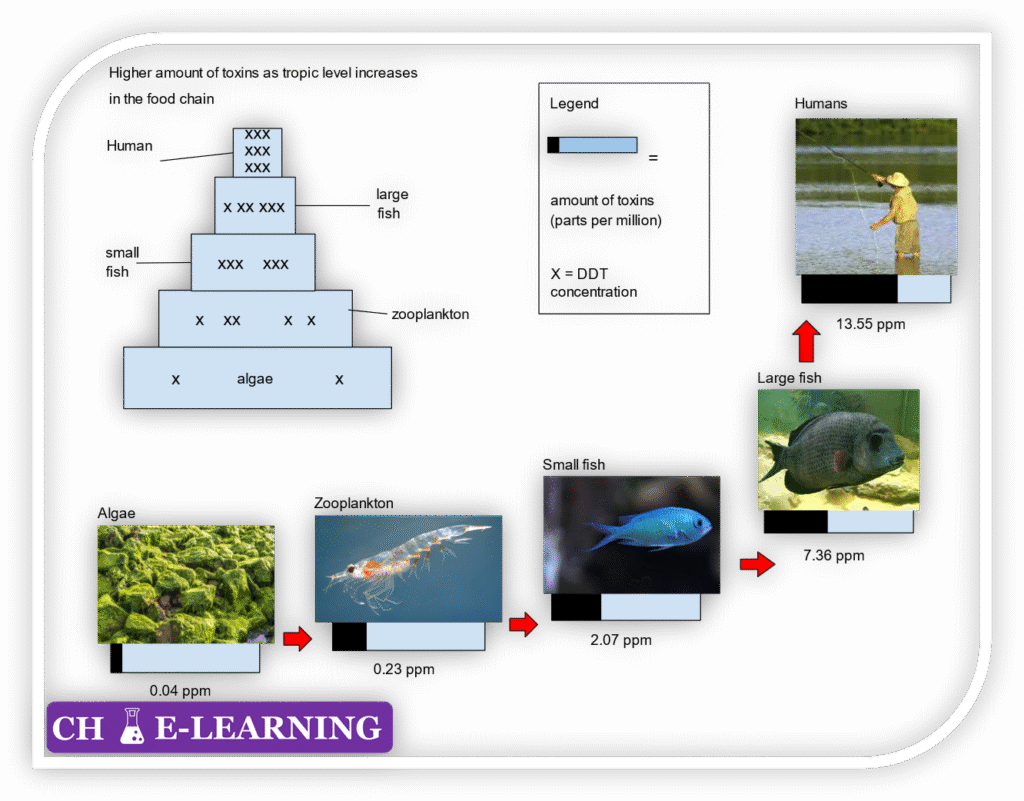
Biomagnification refers to the progressive accumulation of non-biodegradable substances such as pesticides, heavy metals, etc. at higher trophic levels in a food chain.
For example,
- The farmer uses pesticides on the crop.
- This pesticide is washed down into the soil and other water bodies.
- Further, it is taken up by aquatic animals, and the chemicals subsequently enter the food chain.
- As they are non-biodegradable, their concentration increases at successive trophic levels, ultimately affecting higher organisms, including humans.